Most airlines allow travelers to take a free carry on and personal item on their flight, along with checked baggage they may have. However, not every flight includes a free carry-on and checked bags in the ticket fare. This means you’ll have to pay extra fees when you get to the airport.
Checking in a bag means you run the risk of the airline losing your bags during transit, especially during a layover. Whether your bags go missing or are simply arrive late, it can mess with your travel plans and create unnecessary stress.
The easiest way to never worry about your luggage again is to simply not bring a bag that needs to be checked. You will have to pack light, but you’ll still have everything you truly need!
Before throwing everything into your carry-on, make sure you’re allowed to travel with the items you’re packing in your carry-on luggage. Some items (like firearms / lighters etc) need to be checked so they’re not accessible during your flight. Make sure to check the TSA database of items that are commonly brought on flights to see if it can go in your carry-on.
What Is A Carry-on Luggage?
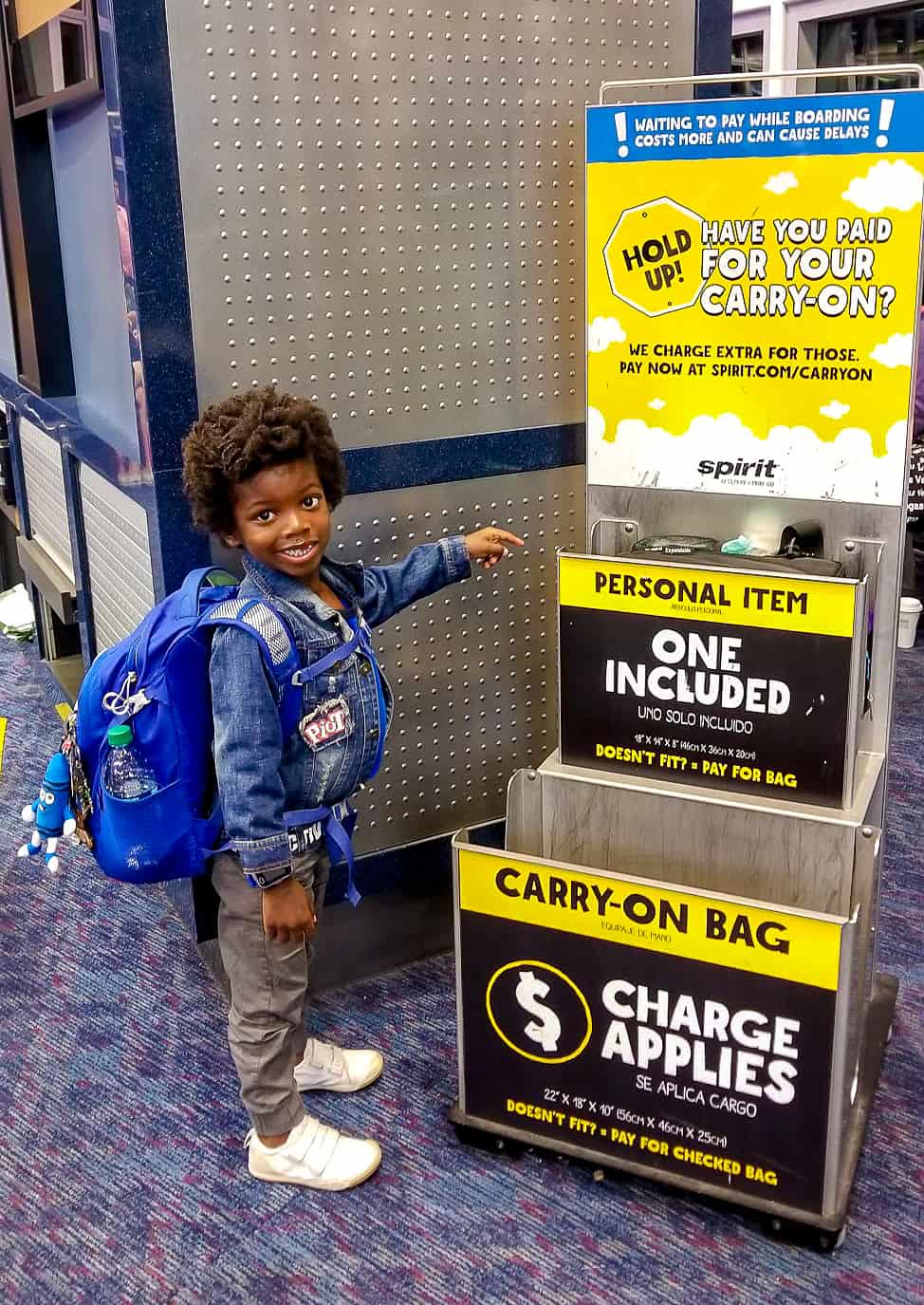
A carry on luggage is generally any piece of luggage that you carry on the plan with you. It can be a backpack, duffel bag or even a luggage with wheels. A carry-on luggage is also referred to as a hand luggage and a cabin luggage. Most airlines allow a free carry-on luggage, except Spirit Airlines and Frontier Airlines.
The most common carry on luggage size is 56 x 36 x 23 cm (22 x 14 x 9 inches). If you’re flying a budget airline such as Easy Jet, make sure to double check as their carry on luggage size is smaller.
Carry On Luggage VS Personal Item
It is also important to note the difference between a carry-on luggage and a personal item. A personal item is much smaller, like a purse or laptop bag but the dimensions sometimes allow for backpacks as well.
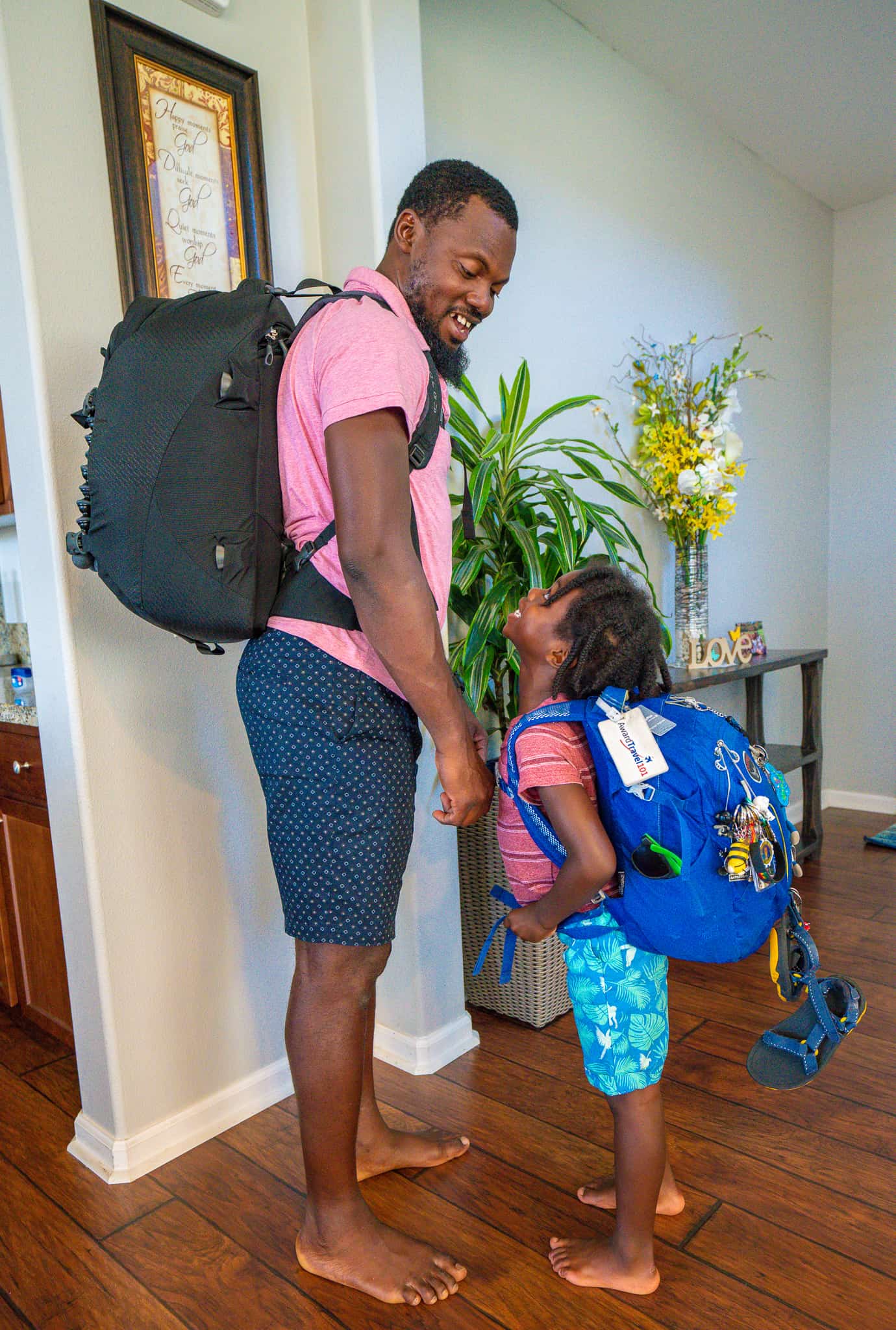
We typically travel with a backpack only as it allows us to be hands free. It also means we don’t have to drag a suitcase on sidewalks or cobblestone streets or even on and off the train. It is faster to pack and unpack, and overall easier to move around with a backpack on.
Does A Scooter Count As A Personal Item?
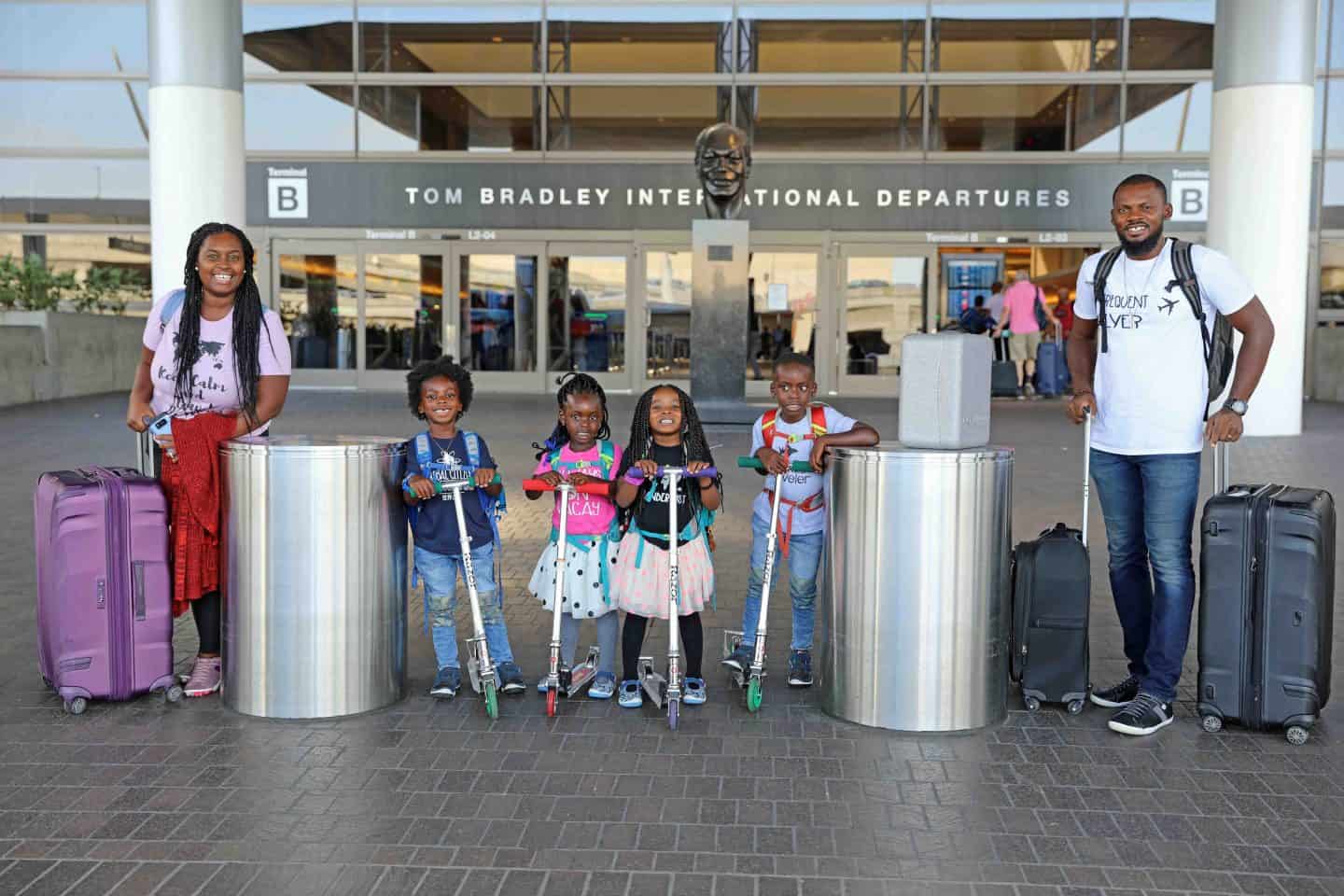
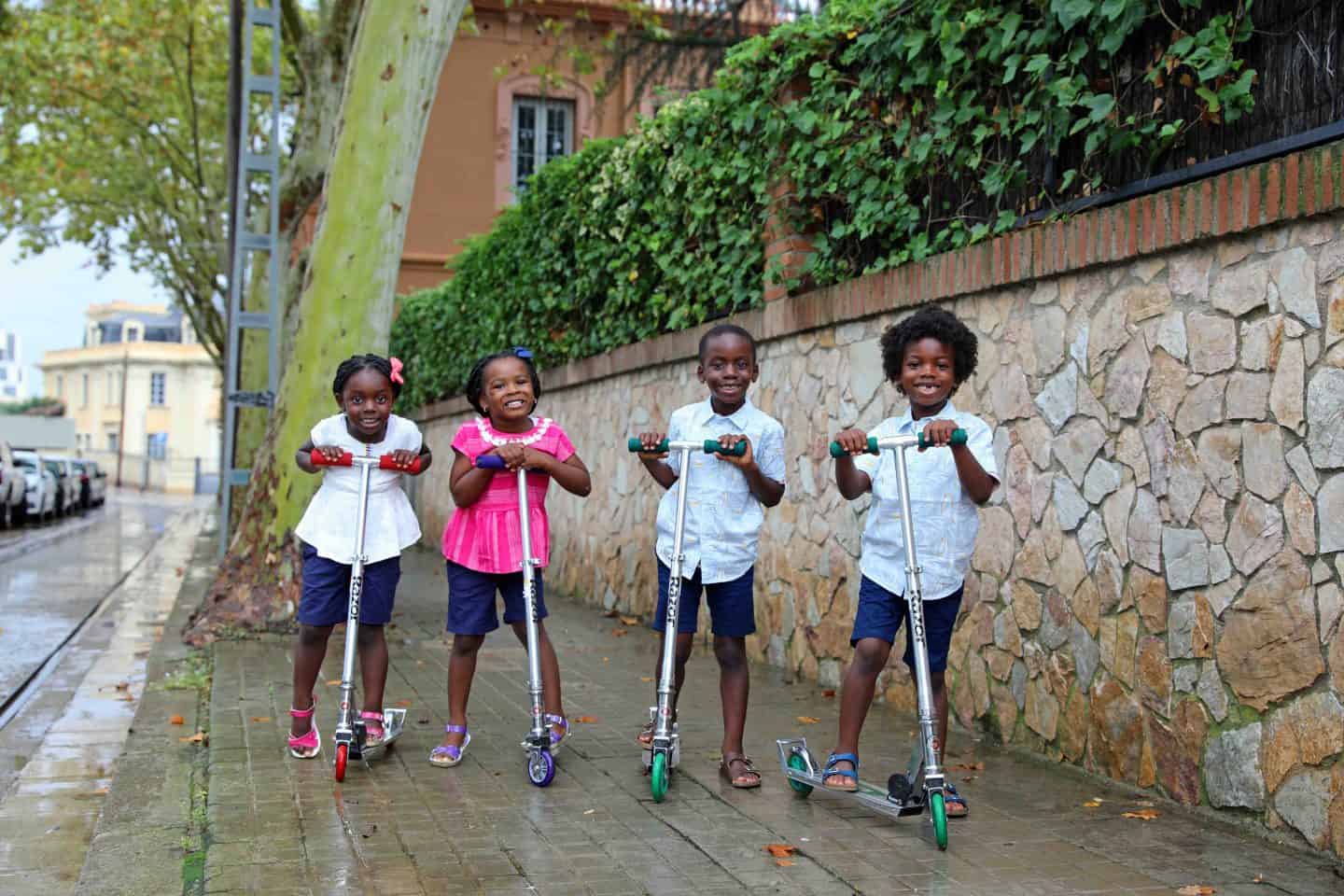
I get asked this question all the time!! A scooter does NOT count as a personal item. The kids have traveled with their scooters in Europe – Italy, Spain, Denmark; in Africa – Morocco and all over the United States.
Why Travel With A Carry-On Only?
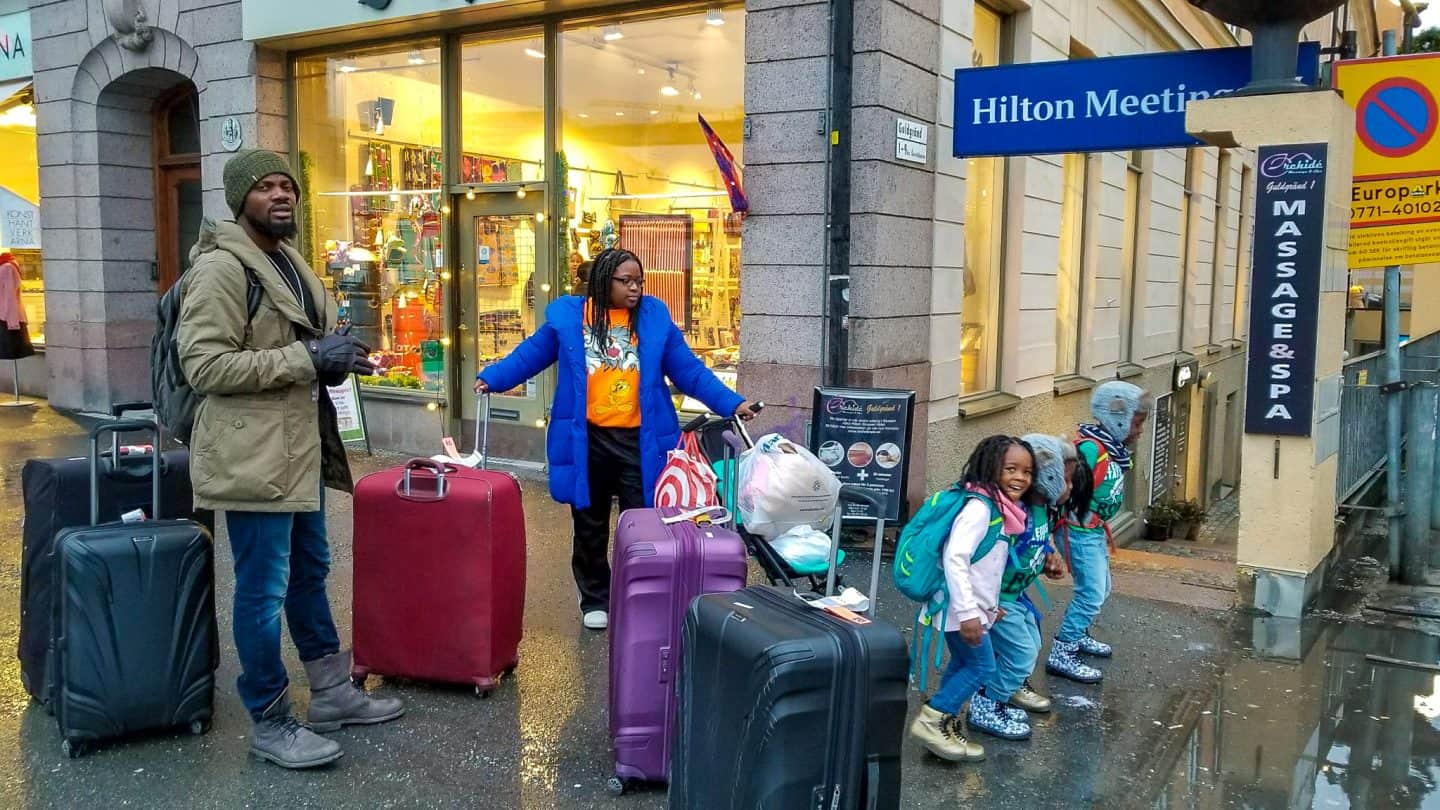
This is an important question to ask, and one that I get asked often as well. If I can check in a bag, then why even bother with the hassle of a carry-on luggage? It is a valid question. After our Europe trip, I realized that are several perks to traveling with a carry-on only.
- Airlines (except Southwest Airlines) now charge you to check in a luggage. You can avoid those fees by simply packing in a carry-on bag.
- You can save time at the airport by not having to wait in line to check-in your luggage and also not having to wait to pick it up when you arrive your destination.
- Your items are more secure with you. We’ve had things stolen from our luggage when we checked it in, so traveling with a carry-on is the way to avoid this.
- You’ll be less stressed, especially when traveling with kids. It is one less thing for you to have to lug around when you’ve got kids to keep up with.
- You don’t have to worry about your luggage getting lost by the airline. This happened to us in Paris and we had to purchase a whole new wardrobe.
- It is easier to pack and unpack! Because your carry-on luggage is smaller, that simply means you have fewer things to pack and unpack.
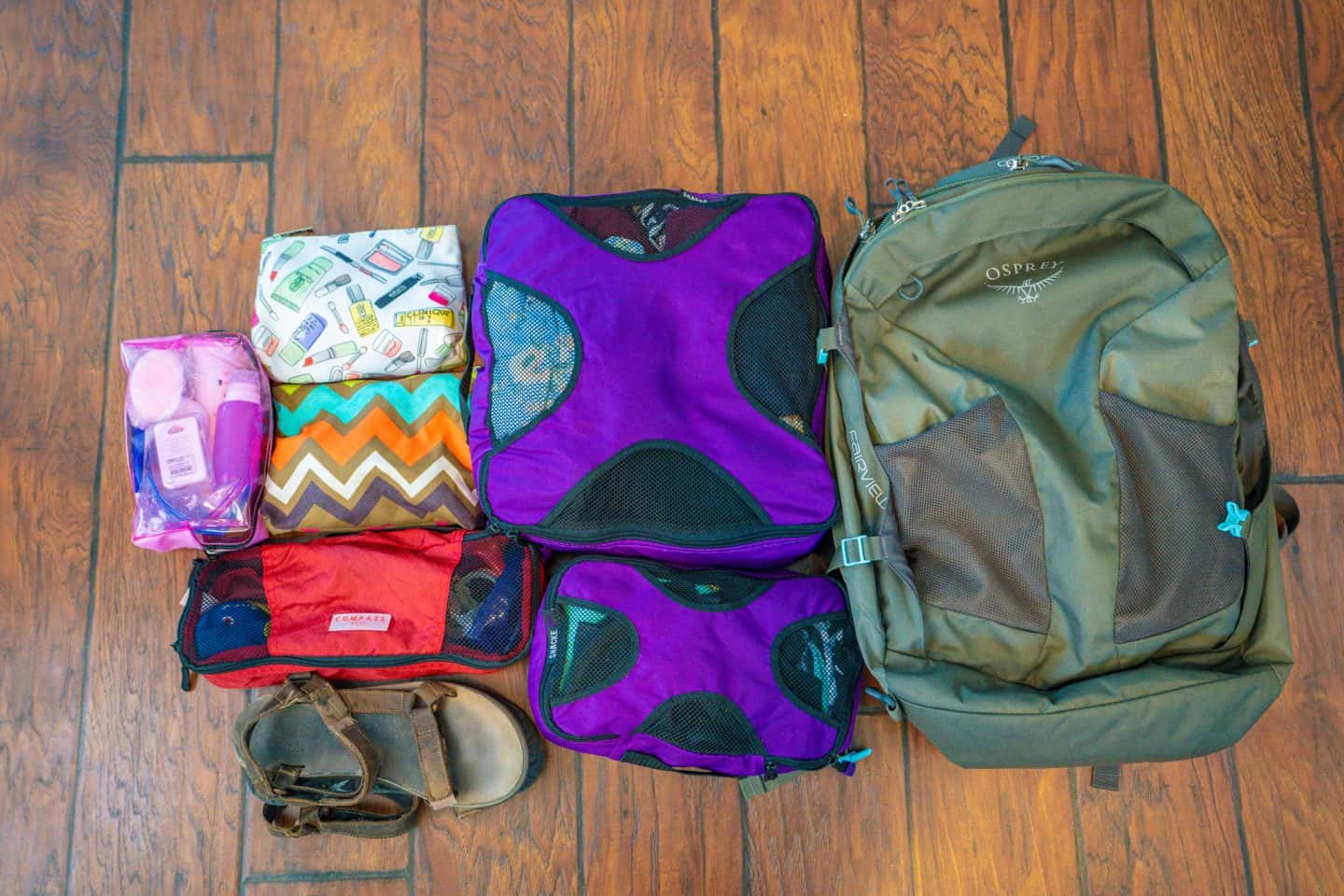
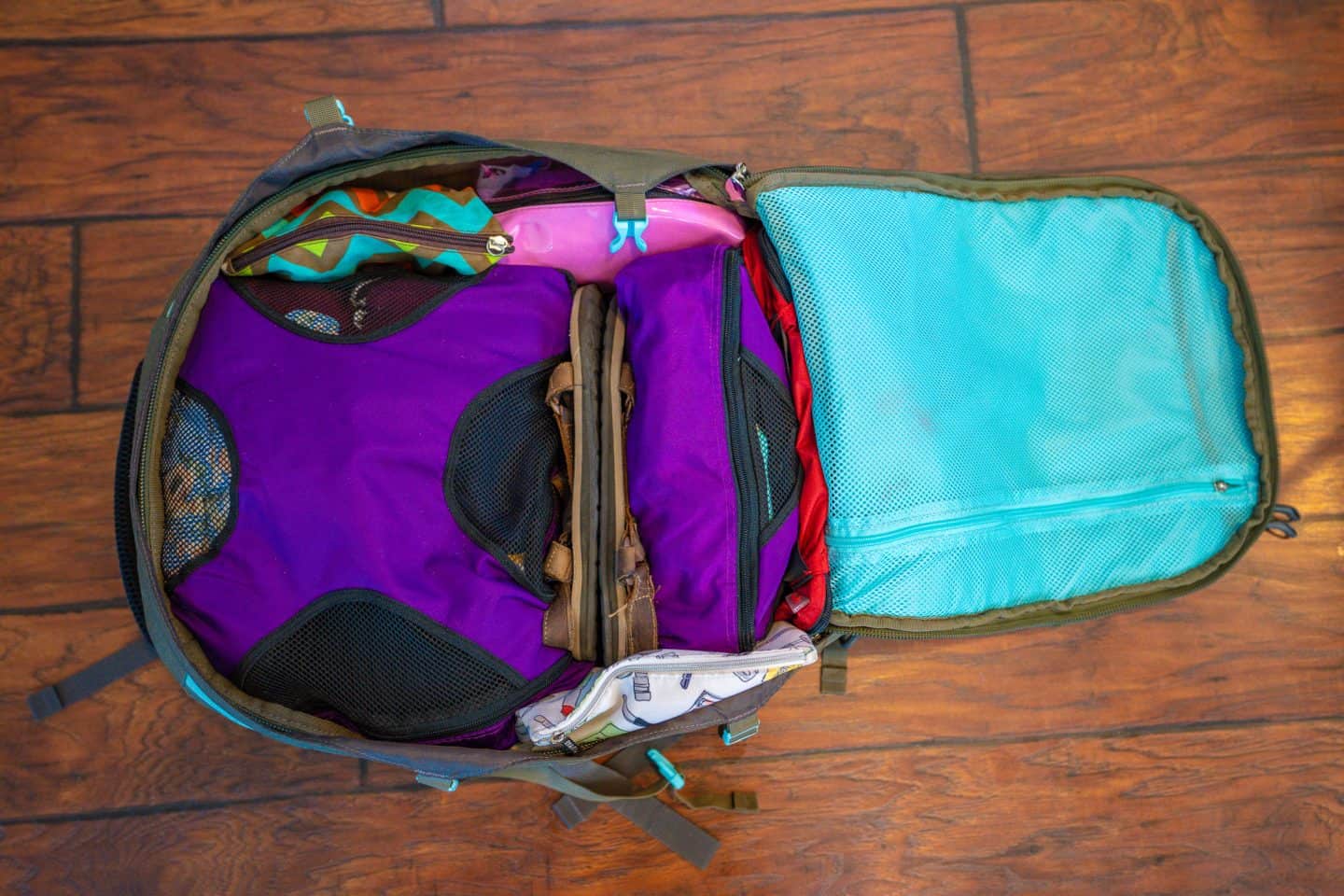
How To Travel With Only A Carry-On
- Plan to Do Laundry on Vacation
You don’t need to pack an outfit for every day you’re travelling! Locate your nearest laundromat (or if you’re staying in a hotel or Airbnb, see if they have a laundry machine you can use). Packing fewer clothes will make room for other things you might need for your trip. Also pack plain colors which as easy to mix and match. Regardless how long you are traveling for, never pack for than a week.
For a trip to a tropical destination, limit your clothing to two bathing suits, three tops, one dress, and two bottoms. For a trip to somewhere much colder, switch out the bathing suits for a light jacket (wear your heavy coat through check-in, since it wouldn’t count as your personal item).
There is such a thing as packing too many socks and undies, so make sure to pack the right amount considering laundry in your carry-on luggage. The only item I pack the most are undies, and I stack them in corners of my bag if it’s too full. You can still pack light while having enough clothes to get you through your vacation!
- Carry a Larger Personal Item
Although you should check with your airline ahead of time, your personal item can usually include a purse, laptop bag, or backpack. Check out the largest size your personal item can be, and use that in addition to your carry-on. It’ll be like having two carry-on’s instead of one!
It’s a good idea to put vital items that you may need on your flight (like medication) in your personal bag instead of your carry-on. That’s because some flights require people to check their carry-on’s at the gate. It’s typically done due to lack of room in the overhead storage bins. When airlines ask travelers to check bags that they normally wouldn’t have to, they don’t charge for it.
- Pack Smart
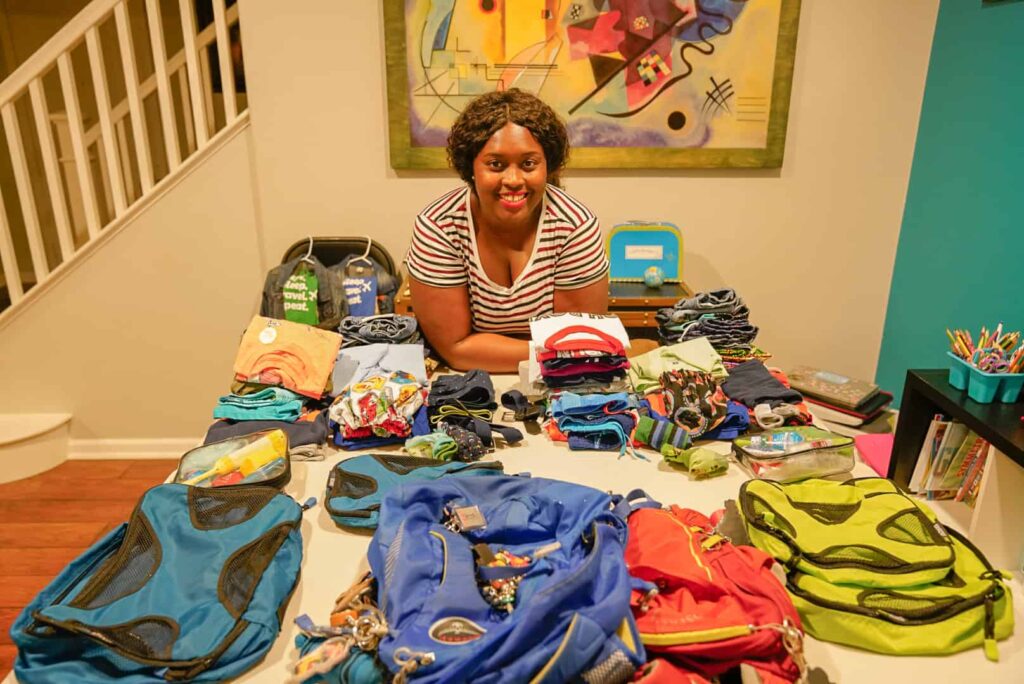
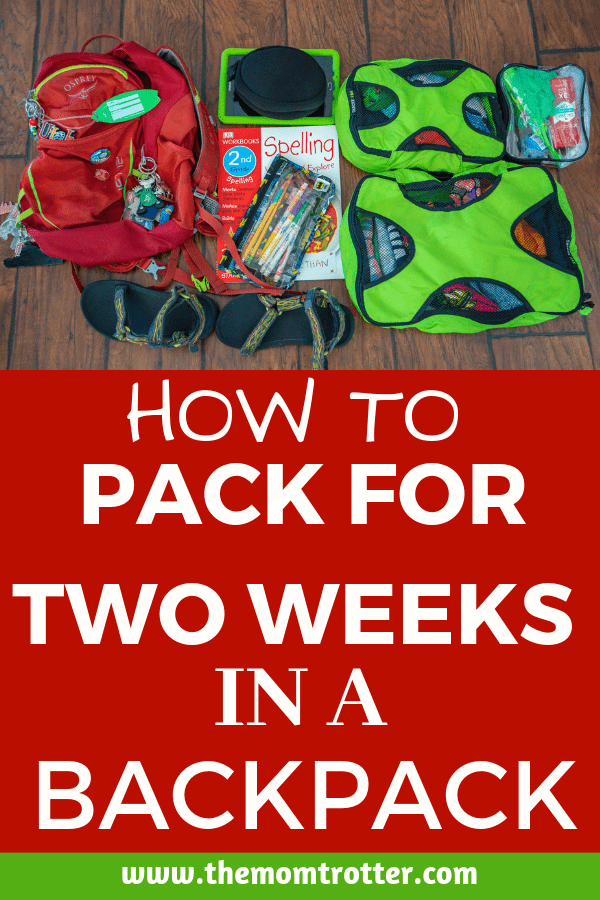
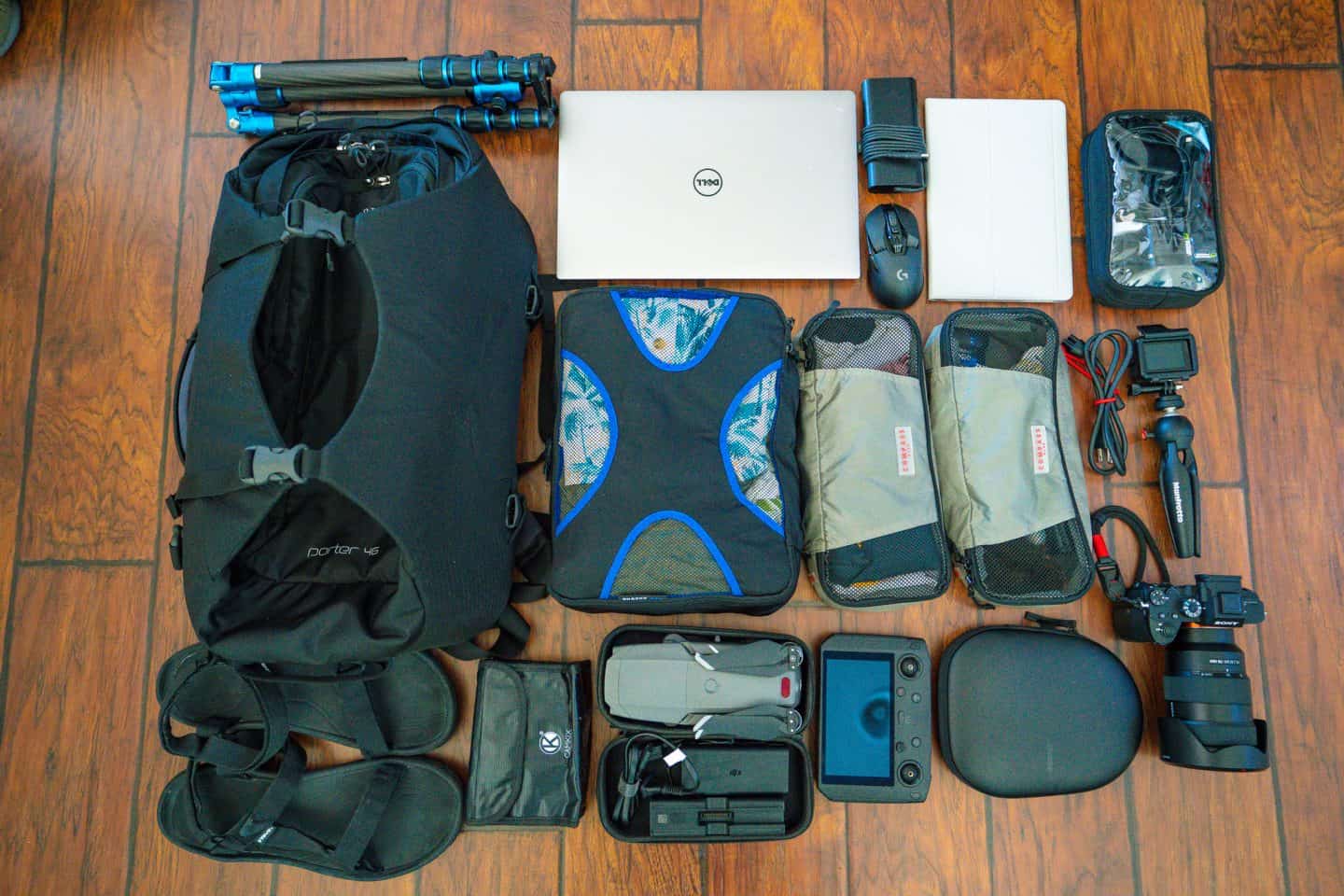
There’s more to packing than simply tossing things in and zipping up your bag! The goal here is to pack as much as you can while taking up as little room as you can manage. My best tip for packing smart is to use packing cubes and always prioritize packing what is . Check out these tips on packing efficiently, which really comes down to how you pack your clothes. Be sure to make use of extra compartments in both your carry-on and personal item.
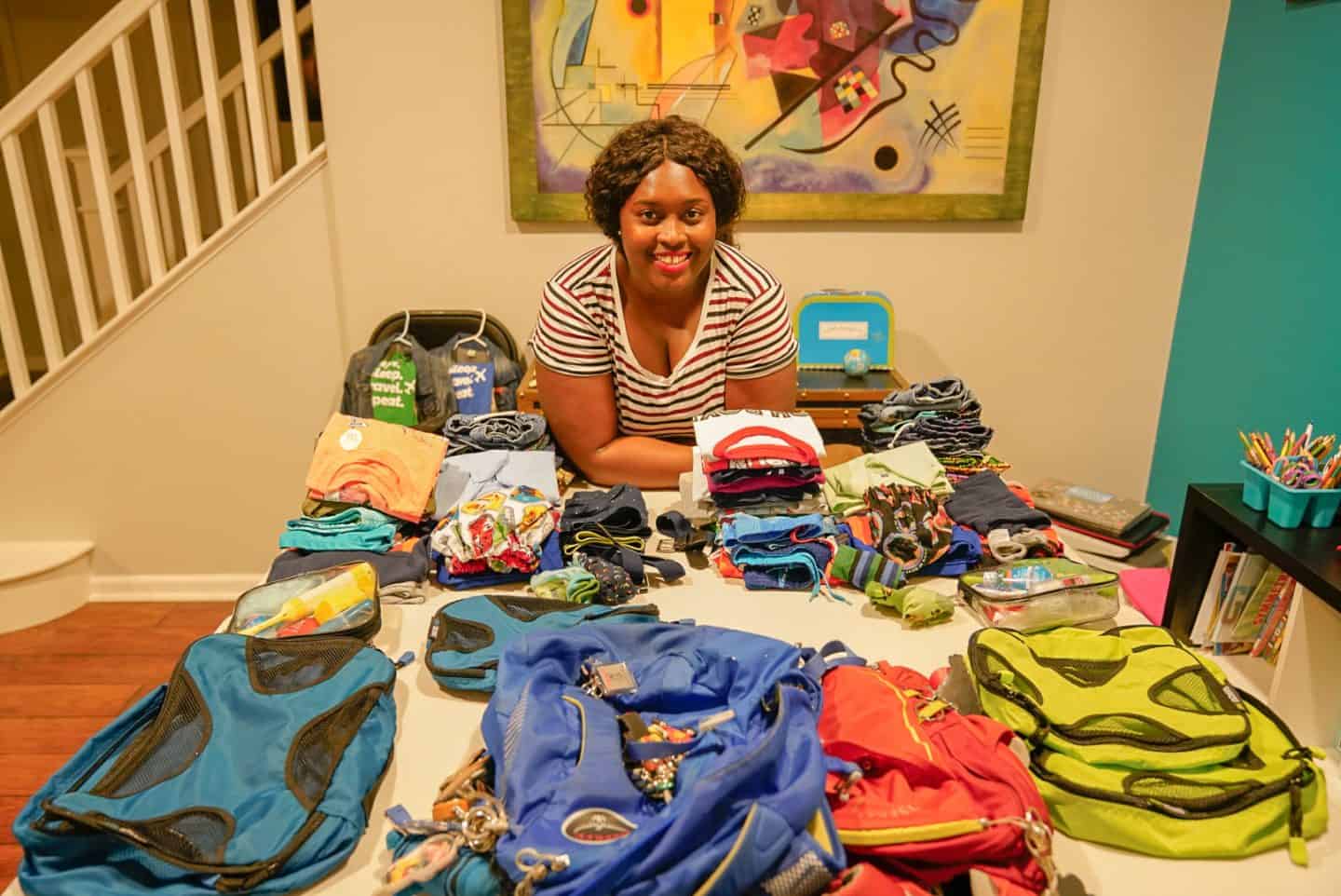
As mentioned in the first tip, your jacket and shoes won’t count as personal items when you go through security. If you’re packing shoes other than the ones you’re wearing wear the bulkiest shoes you have while going through the airport. Winter boots alone can take up half of your carry-on suitcase!
To make even more room in your bag, pack weather-appropriate clothing instead of guessing what you’ll need. Check the weather forecast a day or two before your trip to see what you might need for your trip. Don’t pack a raincoat if the forecast doesn’t call for rain. Don’t pack extra tops “just in case it’s warmer than expected.” You get the idea.
- Buy Your Toiletries at Your Destination
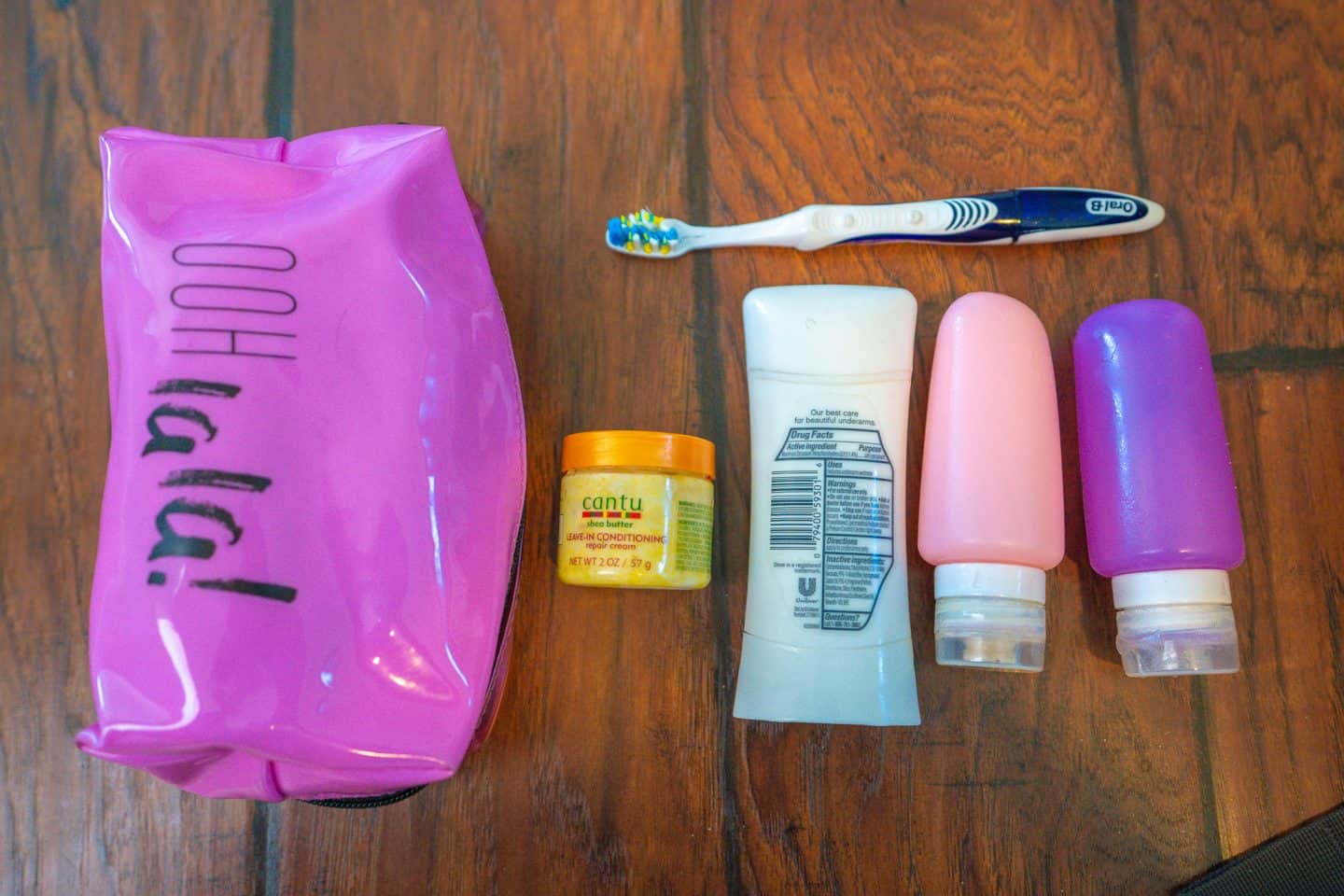
You’re allowed to bring a clear, quart-size bag with liquids and creams that are no more than 100ml or 3.5oz each. If you need more than a travel-size body wash, shampoo, and conditioner, you’d be tempted to throw it in checked baggage, since there’s no maximum weight for liquids. It’s cheaper to just buy extra travel-size toiletries when you run out of the ones you have.
If you are traveling to a place where your favorite toiletries are not available, then pack travel sized options. Most toiletry brands make travel-size versions of their products, but you can also buy travel squeeze tubes and fill them with your liquids. Be sure to label them to keep from mistakenly using conditioner as your body wash (Ps: It has happened to me before).
You’ll be able to fit liquid eyeliner, lipstick, and mascara with ease. Put some foundation in a smaller container (they usually come with toiletry travel kits) – you don’t need 3.3 ounces of foundation for a week-long or even longer trip!
Another option is for you to back bar soap, bar shampoo and conditioner and more. Bar soap is allowed in your carry-on luggage. A few good options for solid items you can travel with are shampoo bars, sunblock, lotion, perfume etc.
- Use Your Travel Buddy’s Carry-On
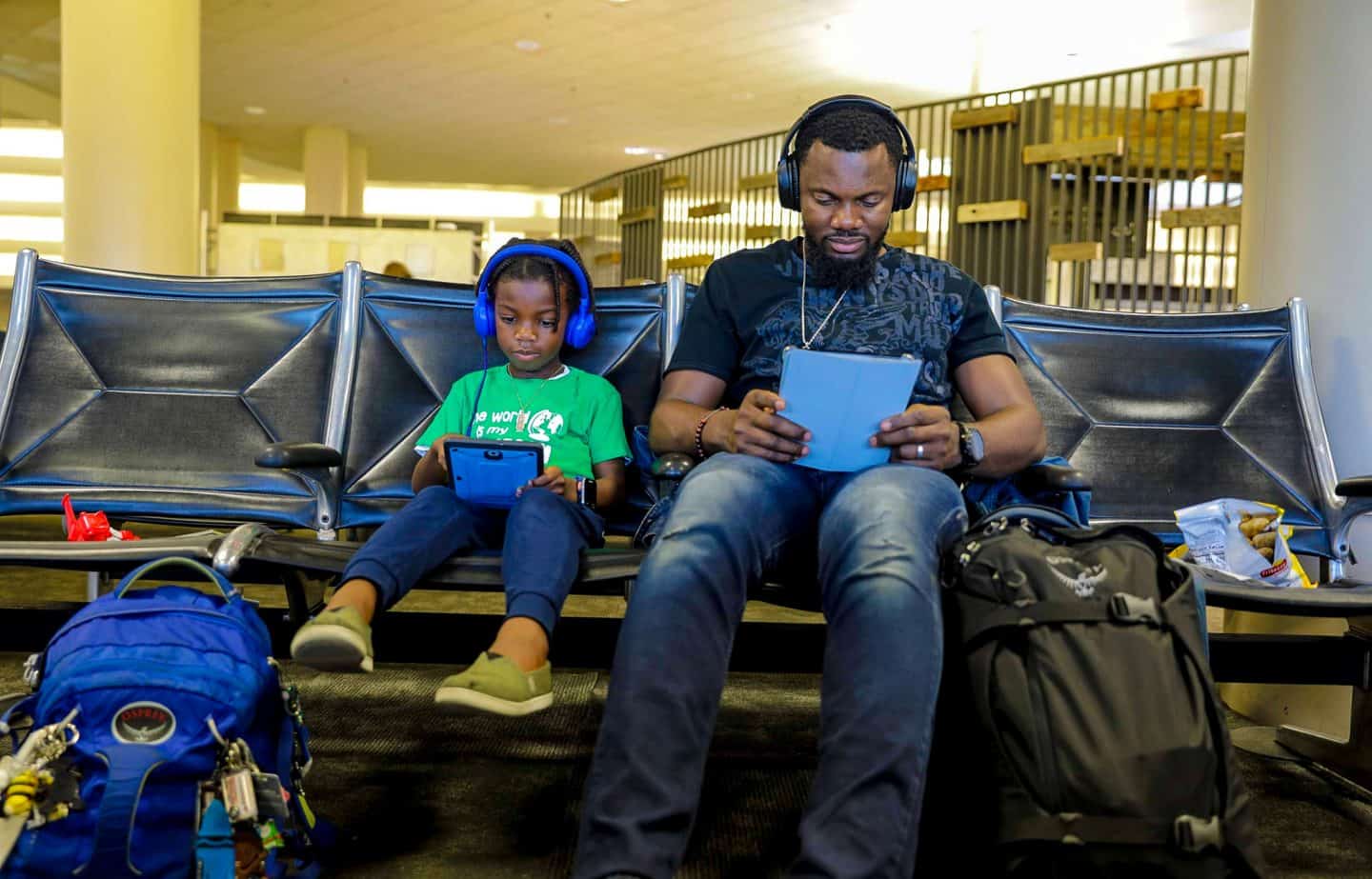
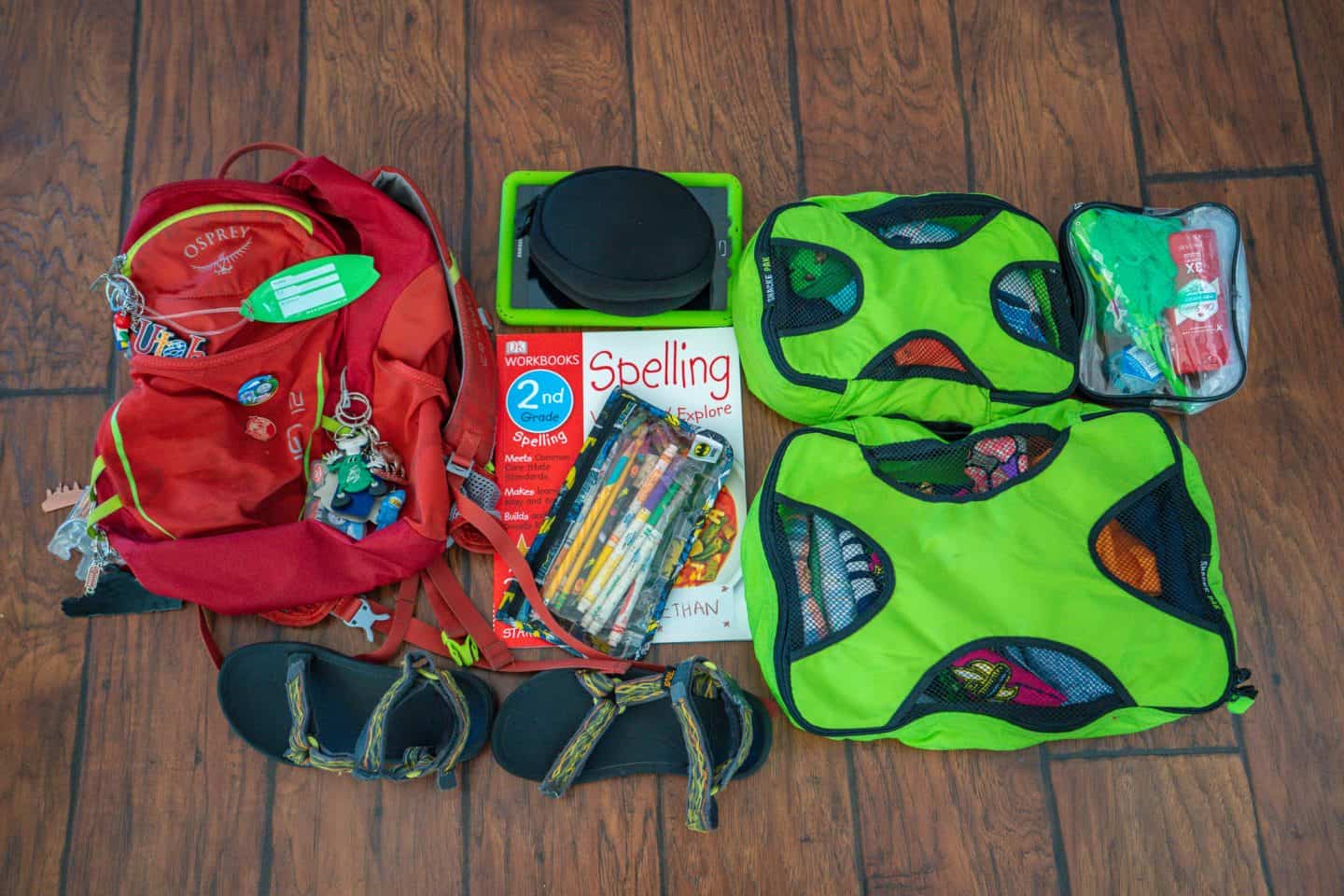
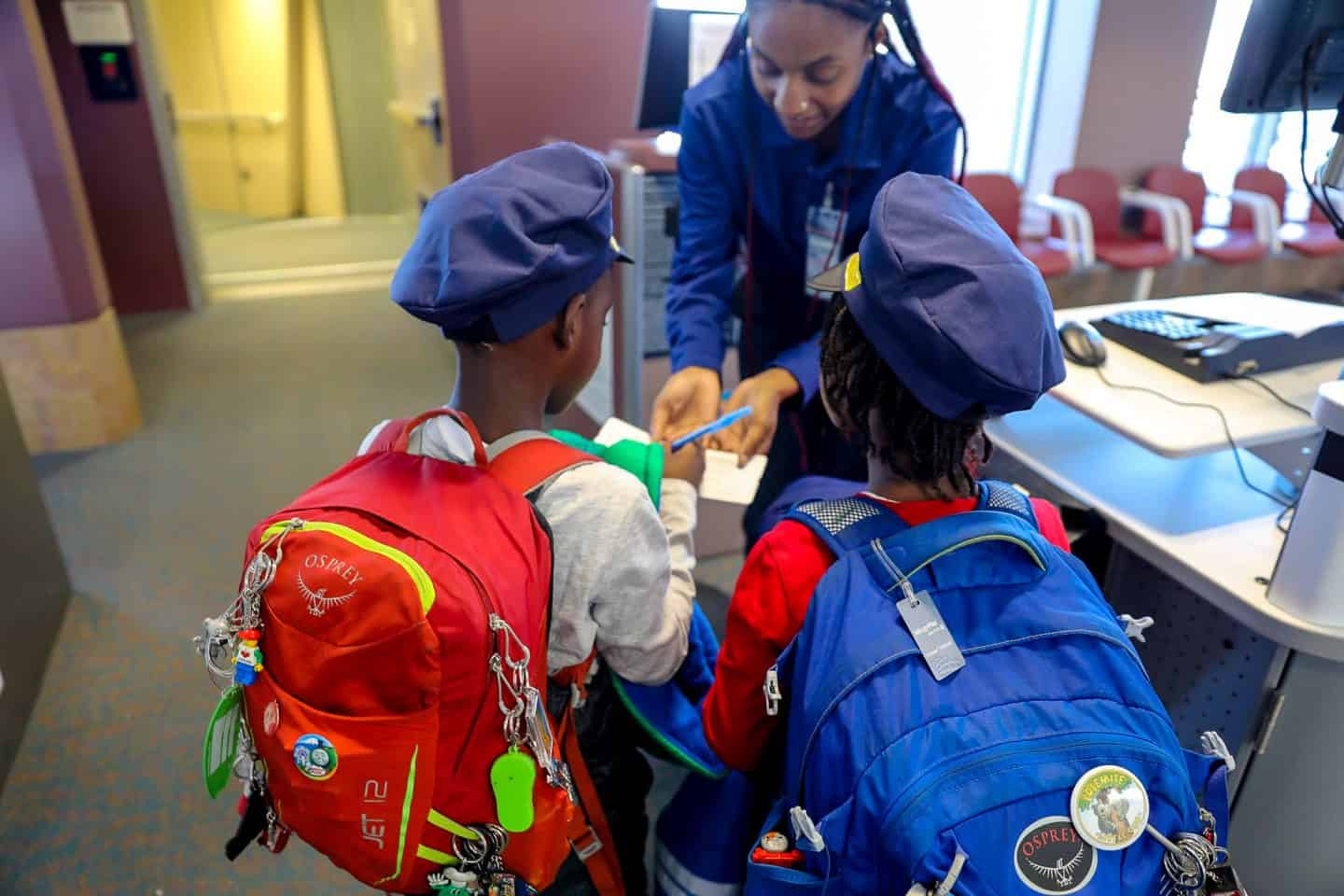
If you’re travelling with family, this could mean your spouse or kids’ bags. Your kids can bring a carry-on bag just as large as yours, even if that bag is larger than they are. As long as they have a seat on the plane, they have a carry-on allowance!
Use this extra space for extras that you don’t have room for. If you’re using your kids’ bags, your children won’t have to pack lighter to make room for you. Kids’ clothes are smaller, so they won’t take up as much space. Remember, they can take a personal item too!
If you’re travelling with someone, see if they have room for one small item. It may not be much, but it will make room for you to pack one more thing. I love using my kids extra space to stuff my things.
Baggage Recommendations
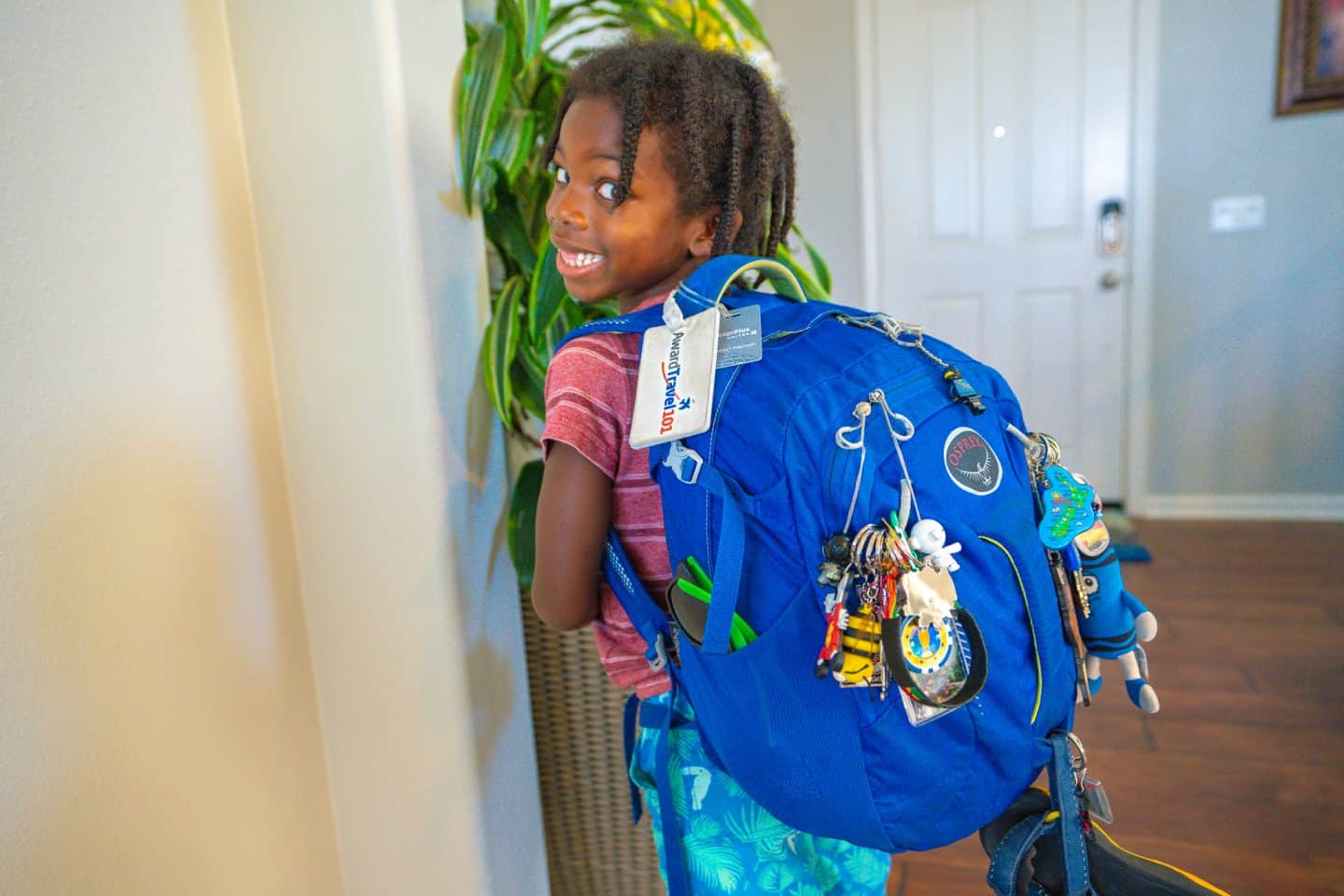
Carry-On Backpack Recommendations For Kids
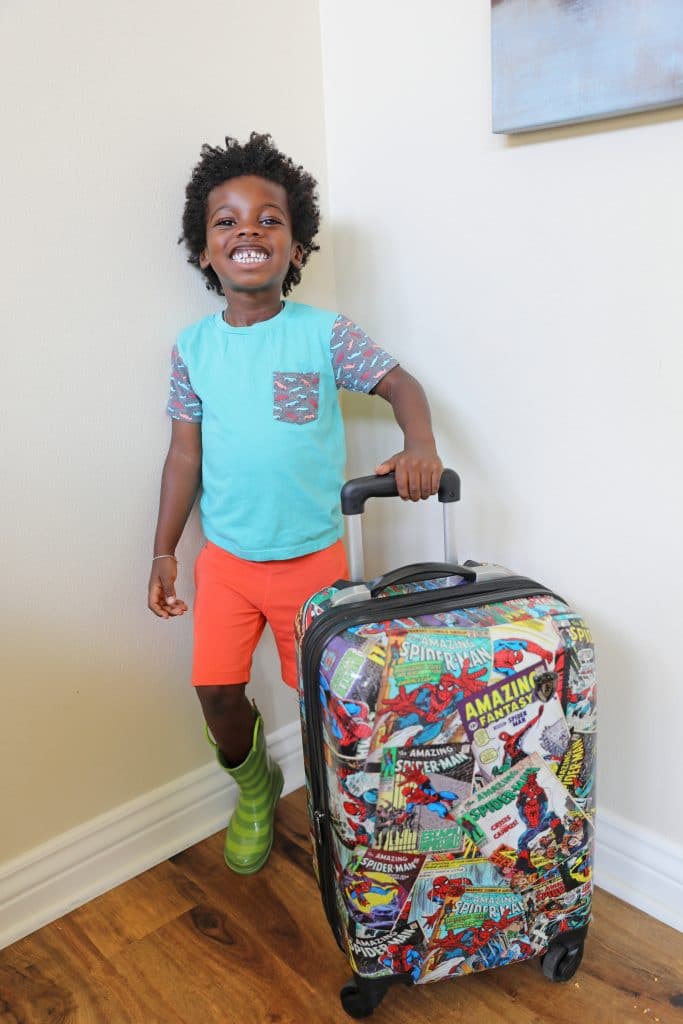
Carry-on Luggage For Kids
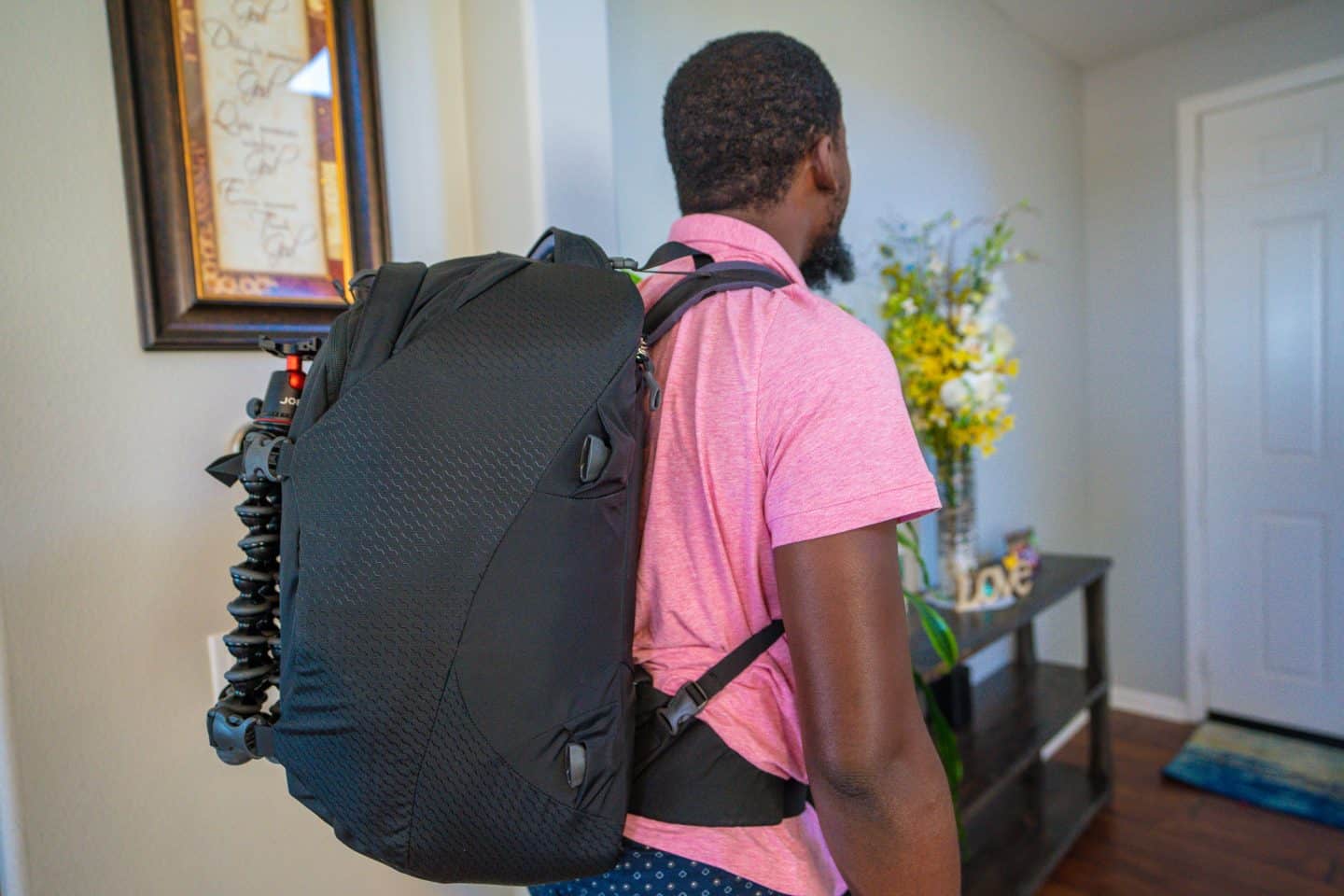
Carry-On Backpack Recommendations For Adults
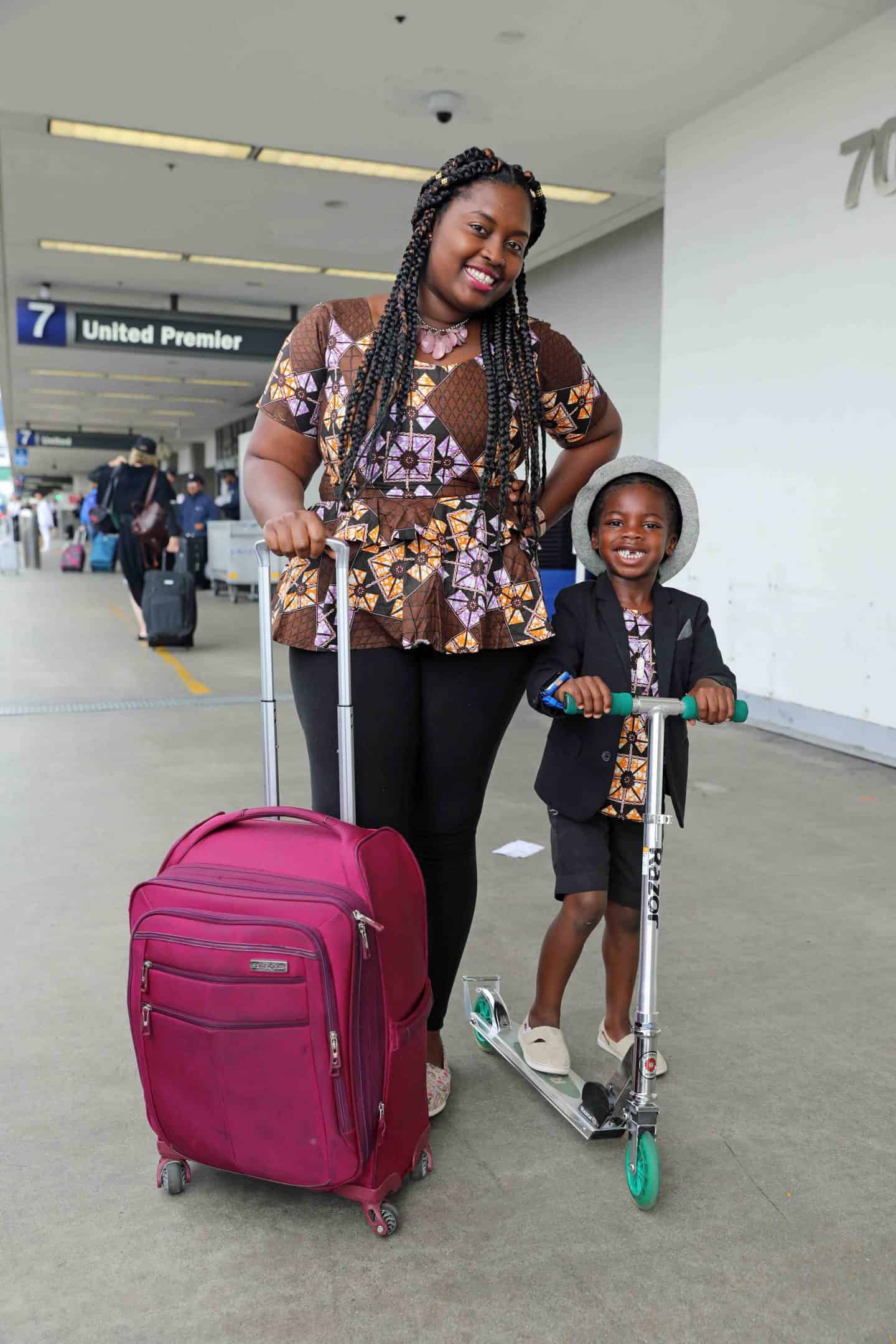
Carry-on Luggage For Adults
Personal Item Recommendations
All the options listed below will pass as free Spirit baggage, Frontier Airlines baggage and Allegiant Airlines baggage. When flying any of these mentioned airlines, you have to pay for a carry-on luggage so it is important that you have the right personal item to pack in.
These options above also work as a personal item for airlines like United Airlines and others that charge for luggage when flying in basic economy.
Carry On Packing Must Haves
Other Things To Note When Traveling With A Carry-on
- Always make sure to check your airlines carry on restrictions before you travel. Every airline varies.
- A scooter, car seat or stroller often does not count as an extra carry on and are usually free. So don’t stress out about having to travel with these items.
- Avoid packing books to read which can make your luggage heavy. Opt for a kindle or any other type of e-reader instead.
- Don’t over pack electronics, a laptop or tablet is great, a pair of headphones and a camera. I used to travel with my tablet and laptop, but not anymore. I only take one now. If you need to capture photos then a lightweight mirror-less camera will do the trick.
- Instead of packing several chargers, pack one charging station and several cables. It takes us less space in your carry-on luggage.
- Don’t make the mistake to pack things just in case you need them. I promise you’ll never use them. This is one of the easiest mistakes to make, and I’m still guilty of doing it occasionally.
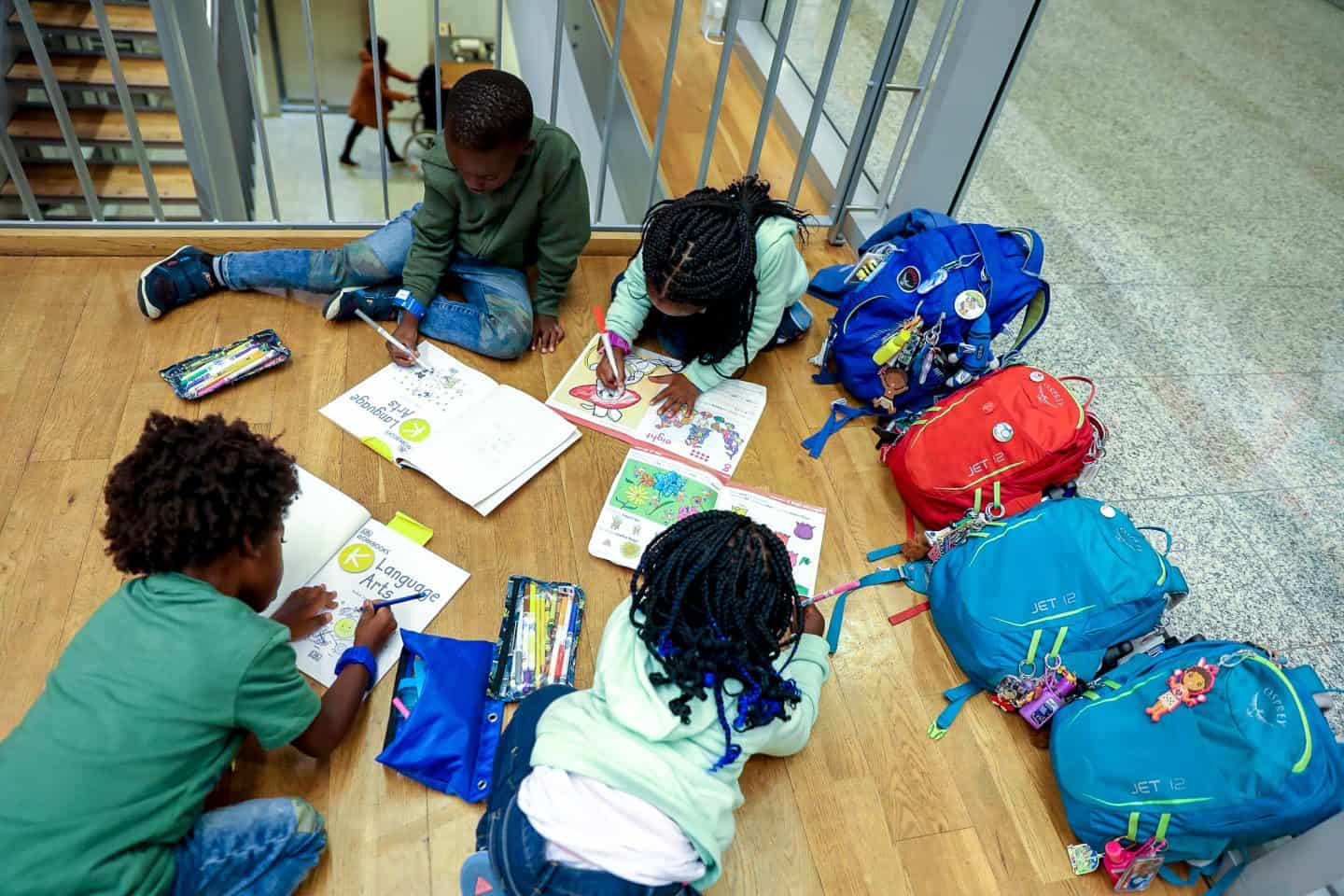
If the thought of packing light seems daunting, remember that a carry-on bag can be a small suitcase, a backpack or anything that fits the airlines description for carry-on luggage. Oftentimes, your personal item does not have to be much smaller than the carry-on. Always make sure to check out your airline’s size and weight requirements before selecting your bag.